Spontaneity Is the New Script: The Exhausting Work Behind Looking Effortlessly Yourself Online
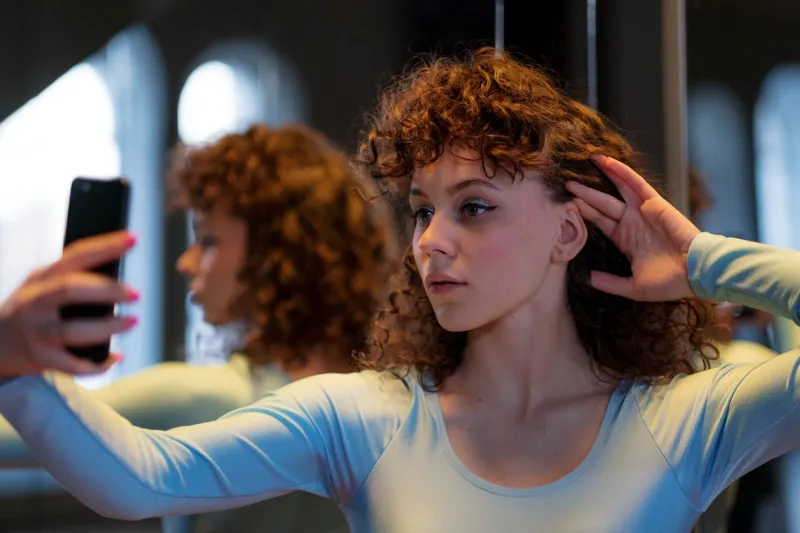
Somewhere between the 'no-makeup makeup' selfie and the candid-that-took-fourteen-takes, authenticity stopped being something you just were and became something you had to produce. The pressure to show up online as your truest, most unfiltered self has quietly spawned a brand-new performance — one that requires lighting, timing, and a whole lot of mental energy most of us didn't sign up to spend.
Welcome to the authenticity paradox: the stranger-than-fiction reality where being real has become the most staged thing about modern life.
When 'Just Being You' Became a Full-Time Job
Let's be honest about what 'authentic content' actually looks like in practice. It's the carefully tousled hair that took twenty minutes to look messy. It's the 'raw' caption drafted, deleted, and rewritten four times until it felt casual enough. It's the journal spread photographed from three angles before landing on the one that screams 'I wasn't even trying.'
None of this makes anyone a fraud, exactly. But it does mean that the very concept of authenticity has been quietly hollowed out and refilled with something else — something that looks like openness but functions more like brand management.
Social media platforms didn't invent self-presentation anxiety. Humans have always curated how they appear to others. But the digital era turned that instinct into a 24/7 obligation, then handed everyone a metrics dashboard so they could watch in real time how well their 'real self' was performing. That's a psychologically brutal combination.
The Spontaneity Trap
Here's where it gets genuinely weird: the moments that feel the most authentic online are often the ones that required the most planning. A creator posts a teary, no-filter video about a hard week — and it goes viral precisely because it feels unscripted. But ask them about it later and they'll tell you they waited for the right lighting, thought carefully about what to share and what to protect, and still second-guessed posting it for an hour.
That's not dishonesty. That's the trap. The performance of not performing has become its own genre, complete with conventions and expectations. Audiences now have a finely tuned radar for what 'real' is supposed to look like — and content creators, whether they have 200 followers or 2 million, feel the pressure to hit those markers.
The result? A specific kind of exhaustion that's hard to name because it doesn't come from doing too much. It comes from constantly monitoring yourself while pretending you're not.
Why This Is Messing With Your Head
Performing authenticity isn't just tiring — it can genuinely distort how you relate to your own experiences. When you start filtering real moments through the lens of 'how will this land,' you stop fully living them. The sunset becomes content before you've even felt it. The difficult conversation becomes a potential post before it's finished. The spontaneous road trip is mentally storyboarded before you've left the driveway.
Psychologists call this phenomenon self-monitoring, and at high levels, it's associated with decreased wellbeing, a shakier sense of identity, and a persistent feeling of disconnection — like you're watching your life from slightly outside your own body. Sound familiar?
For a generation that came of age posting, this isn't a fringe experience. It's practically the water we swim in.
The Platform Effect Nobody Talks About
Different platforms have trained us to perform authenticity in different ways, and it's worth calling that out directly. Instagram wants your aesthetic realness — the beautiful mess, the honest caption under the gorgeous photo. TikTok wants your unpolished energy — the shaky camera, the mid-thought ramble, the laugh at your own joke. LinkedIn, somehow, wants your vulnerable professional breakthrough story, told with just enough humility to feel relatable.
Each platform has its own dialect of 'real,' and most of us are fluent in several. We code-switch between them without thinking, adjusting our version of authentic depending on the audience. Which raises the uncomfortable question: if you're performing a different version of yourself in every space, which one is actually you?
The answer, probably, is all of them and none of them — which is less of a crisis than it sounds, but worth sitting with.
Practical Ways to Actually Break the Cycle
If you're tired of the performance, here's the thing: you don't have to quit the internet. You just have to get more intentional about where you draw the line between sharing and staging.
Post the thing before you overthink it. Set yourself a rule — if you've edited a caption more than twice, you're no longer being authentic, you're crafting. Hit publish on the second draft and move on.
Create content-free zones in your real life. Some experiences — dinners with people you love, moments of genuine emotion, mornings before your brain fully boots up — deserve to stay off the record. Not everything needs to be documented to count.
Notice the difference between sharing and performing. Sharing comes from wanting to connect. Performing comes from wanting to be perceived a certain way. Both happen; neither is shameful. But knowing which one you're doing in a given moment is genuinely useful information.
Let something be imperfect on purpose. Post the photo where the lighting is bad. Leave the typo. Let a caption be shorter than feels satisfying. Small acts of deliberate imperfection can loosen the grip of the performance mindset faster than any amount of self-reflection.
Spend time being yourself somewhere that isn't recorded. A journal. A phone call. A walk without your phone. The self that exists when no one is watching is the one that actually needs tending.
Real Doesn't Mean Raw — It Means Honest
Here's the reframe that might actually help: authenticity was never about showing everything. It was about not pretending to be something you're not. Those are very different things.
You can be thoughtful about what you share and still be genuine. You can care about how something looks and still mean it. The problem isn't that you have a filter — everyone does, and anyone who claims otherwise is performing hardest of all. The problem is when the performance starts to cost you your actual relationship with yourself.
The goal isn't to go fully raw or to disappear from the internet entirely. It's to check in, every so often, on whether the version of you that shows up online still feels like someone you actually recognize — or whether you've gotten so good at playing yourself that you've forgotten what that feels like without an audience.
That check-in? No caption required.