Hot Mess Is the New Hustle: How Owning Your Chaos Became a Competitive Sport

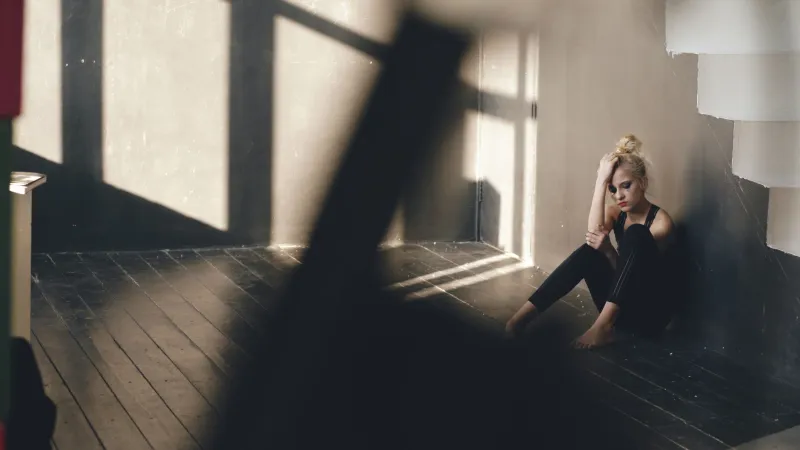
There was a time when having your life fall apart was something you quietly managed behind closed doors, maybe with a glass of wine and a very patient best friend. Now, it's content. It's a caption. It's a carefully lit video of you crying in your car with a trending audio underneath it.
Welcome to the era of the vulnerability flex — where admitting you're a disaster has somehow become the coolest thing you can do.
The Rise of the Relatable Wreck
It started innocently enough. A few years ago, the internet collectively got tired of aspirational perfection. Perfectly curated feeds, flawless skin, spotless apartments — people started calling it out as fake, and they weren't wrong. The backlash made room for something that felt more honest: imperfection. Chaos. The "I have no idea what I'm doing" energy that most of us actually live with.
Gen Z and millennials ran with it. Hard.
Suddenly, not having a skincare routine was a personality. Eating cereal for dinner was a vibe. Publicly unraveling — whether that meant posting about your anxiety, your situationship drama, or the fact that you hadn't done laundry in three weeks — became not just acceptable but aspirational in its own weird way.
"Messy girl summer" wasn't just a joke. It was a whole aesthetic. And aesthetics, as we know, carry social weight.
When Imperfection Becomes a Currency
Here's where it gets complicated. There's a real difference between being honest about your struggles and strategically packaging those struggles for an audience. The line between the two has gotten genuinely blurry.
Sharing that you're going through something hard can be meaningful. It can make other people feel less alone. It can chip away at the stigma around mental health conversations that desperately need to happen. That part is real and worth protecting.
But something shifts when vulnerability becomes a performance metric. When the number of saves on your "I'm not okay" post starts to feel like validation. When you notice yourself framing your bad week in a way that will land better online. When your chaos stops being something you're working through and starts being something you're curating.
At that point, you haven't escaped the pressure of perfection. You've just updated its aesthetic.
The Status Game Nobody's Admitting To
Here's the uncomfortable truth: admitting you don't have it together has become its own kind of status symbol. And like any status symbol, it comes with rules.
Your mess needs to be relatable, not actually alarming. It should be photogenic in a disheveled sort of way. It should signal depth without making anyone uncomfortable. It should come with just enough self-awareness to show that you're in on the joke.
There's a very specific flavor of acceptable chaos — the kind that says "I'm human and a little overwhelmed" rather than "I genuinely need help." The former gets engagement. The latter tends to clear a room.
That distinction matters. Because if we're only celebrating the kind of vulnerability that's palatable, we're not actually dismantling anything. We're just redecorating the same old pressure to perform.
What Genuine Openness Actually Looks Like
Real vulnerability — the kind that psychologists and therapists talk about — is uncomfortable in ways that don't resolve into a satisfying post. It's not always articulate. It doesn't come with a tidy caption. Sometimes it's ugly and slow and doesn't make you look interesting.
Brené Brown has been saying this for years, and yet somehow the internet absorbed the word "vulnerability" while skipping the part where it's supposed to be in service of actual connection, not performance.
Genuine openness means telling someone you trust that you're struggling — not for likes, but because you need support. It means sitting with discomfort instead of immediately converting it into content. It means letting yourself be a mess in private, where nobody's watching and there's nothing to gain.
That version of vulnerability doesn't trend. But it's the one that actually does something.
The Exhaustion Nobody's Posting About
Ask anyone who's been deep in the relatable-chaos content cycle, and eventually they'll admit it: performing imperfection is tiring. Maybe more tiring than performing perfection was, because at least with perfection, the mask was obvious. You knew it was a mask.
When your chaos becomes a brand, you lose the private space where chaos is just chaos — where you can fall apart without narrating it, where you don't have to immediately make meaning out of your bad days. That loss is quieter and sneakier than burnout from hustle culture, but it's real.
There's also the weird pressure to stay a little bit of a mess. Because if you actually get it together — if you start therapy, build better habits, feel more stable — what happens to your whole thing? The audience signed up for the chaos. Getting better can feel like a betrayal of the brand you accidentally built around your worst moments.
So What's the Move?
None of this means you should go back to pretending everything is fine when it isn't. That was its own kind of slow poison. The cultural shift toward honesty about mental health, about burnout, about the gap between highlight reels and real life — that shift has done genuine good, and it deserves credit.
But there's a version of this that serves you, and a version that just serves the algorithm.
The version that serves you looks like: talking to people who actually care about you. Seeking real support when you need it. Letting yourself be imperfect without broadcasting it. Being honest online when it genuinely helps someone, not just when it performs well.
The version that serves the algorithm looks like: turning every hard moment into a bit, chasing the dopamine hit of being called relatable, and mistaking engagement for intimacy.
You're allowed to have a messy life without making it your whole personality. You're allowed to struggle without making your struggle content. And you're allowed to get better without feeling like you've lost something.
Being a hot mess is not a character flaw. But it's also not a character arc — not unless you're actually moving through it, off-camera, in the messy and un-postable ways that real change tends to require.