The Real Reason You're Drawn to Quiet Luxury (And It Has Nothing to Do With Your Budget)
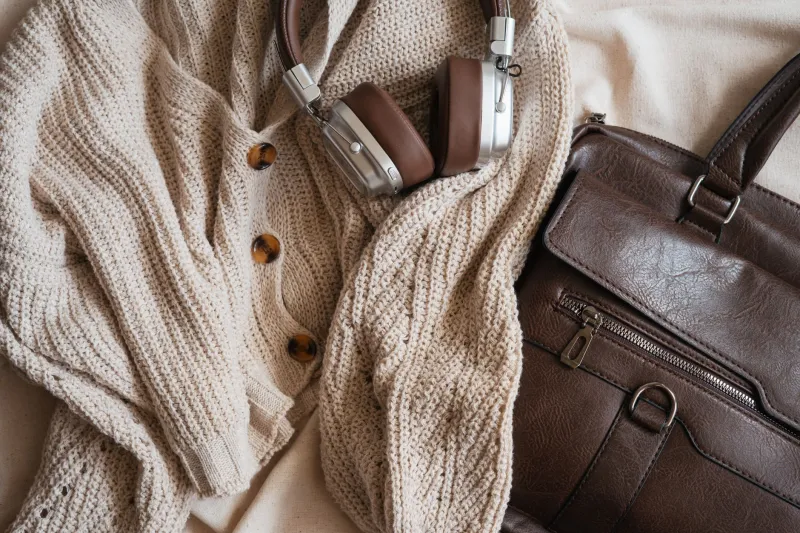
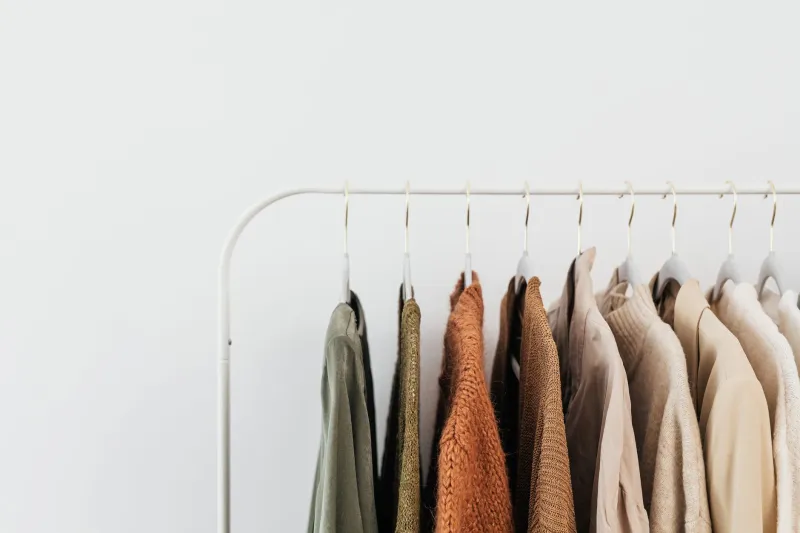
If you've spent any time on fashion TikTok or scrolled through a style Pinterest board in the last couple of years, you've seen it: the oatmeal-colored linen, the unbranded leather tote, the single strand of gold that doesn't announce anything. The aesthetic has a name — quiet luxury — and it has colonized aspirational dressing in a way that feels bigger than a trend cycle.
But here's the thing nobody's quite saying out loud: the appeal of quiet luxury isn't really about clothes. It's about permission.
A Brief History of Loud
To understand why understated dressing hit so hard, you have to remember what it was reacting to. The 2010s were a decade of logos. Visible branding wasn't just acceptable — it was the point. Streetwear culture turned Supreme drops into cultural events. Fast fashion brands slapped their names across everything. Social media made fashion a spectator sport, which meant outfits had to read quickly, pop on a screen, and signal something immediately.
And then people got tired.
Not tired of fashion — tired of the noise. Tired of dressing for the algorithm. Tired of buying things that felt exciting for forty-eight hours and then just... sat there. The pendulum swung, as pendulums do, and suddenly the most aspirational thing you could wear was something that required context to appreciate.
What 'Quiet' Is Actually Saying
Here's where it gets interesting. Quiet luxury, as an aesthetic, is often framed as anti-status dressing. No logos, no flash, no look-at-me energy. But make no mistake — it is absolutely still a status signal. It's just a more exclusive one.
Old money style, which is the spiritual ancestor of quiet luxury, has always operated on the idea that the people who matter will recognize quality without needing it labeled. The Loro Piana baseball cap. The Row's $1,500 tote that looks like something your aunt might carry. These items communicate wealth specifically to those fluent in the language of wealth — which is, arguably, an even more rarefied form of showing off.
So if quiet luxury is still a status game, why does it feel so different? Why does it resonate with people who could never afford those price points and have no interest in impressing the old-money crowd?
Because the feeling it represents — restraint, intention, refusal — is accessible even when the price tag isn't.
Permission to Want Less
This is the part that doesn't get talked about enough. For a lot of people, adopting a quieter approach to style isn't about mimicking wealth. It's about giving themselves permission to stop chasing.
Consumer culture runs on manufactured desire. New drops, seasonal trends, the constant suggestion that what you have is already slightly out of date. The fashion industry — particularly the fast and mid-range segments — depends on you feeling like your wardrobe is perpetually incomplete. And for years, a lot of us played along, not because we were foolish but because the game was designed to be compelling.
Quiet luxury, even in its budget-accessible interpretations, represents an opt-out. It says: I'm not playing that game anymore. I'd rather have three things I actually love than thirty things I bought impulsively. I'd rather invest in something that lasts than participate in a cycle that's exhausting me.
That's not a fashion choice. That's a value shift.
The Minimalism Question
It's worth noting that quiet luxury and minimalism aren't quite the same thing, even though they share DNA. Minimalism, at its most philosophical, is about stripping away excess to get closer to what matters. Quiet luxury is still aspirational — it just aspires to quality over quantity.
But both movements tap into the same cultural exhaustion: the fatigue of too much. Too much stuff, too many options, too many things demanding your attention and your money and your emotional energy. The appeal of a capsule wardrobe or a perfectly chosen neutral palette is partly aesthetic and partly the relief of having fewer decisions to make.
Research in decision science — including the famous work of psychologist Barry Schwartz on the "paradox of choice" — suggests that more options don't make us happier. They make us more anxious. Choosing less isn't deprivation. For a lot of people, it's a form of freedom.
Building Your Own Version of Quiet
You don't need a trust fund or a Scandinavian design sensibility to take something real from this conversation. Here's what actually translates:
Buy with intention, not urgency. The fast fashion model is built on urgency — limited stock, flash sales, the fear of missing out. Quiet luxury, even on a budget, means slowing down and asking: do I actually want this, or am I just responding to a trigger? Waiting 48 hours before purchasing something non-essential is a small habit that changes your relationship with shopping entirely.
Prioritize fit and fabric over branding. A well-fitting $40 linen shirt from a no-name brand will almost always look more considered than a logo-covered piece that doesn't suit your body. Quality of construction and how something moves on you matters more than what label is sewn inside it.
Let your wardrobe be a little boring. Not boring in a sad way — boring in the sense that it doesn't need to be exciting every day. A consistent personal style that you trust is far less stressful than constantly reinventing yourself according to what's trending.
Define what 'enough' looks like for you. This is the real work. Not copying a Pinterest board, but actually sitting down and asking: what do I need my clothes to do? What do I want to communicate? What am I tired of performing? The answers will point you toward something that's genuinely yours — which is, in the end, the quietest and most luxurious thing of all.
The Rebellion Hidden in Restraint
There's something quietly radical about choosing less in a culture that profits from you wanting more. It won't make the news. Nobody's going to write a trend piece about the fact that you bought fewer things this year and felt better about it. But that's kind of the point.
Quiet luxury, at its best, isn't about looking rich. It's about deciding what you actually value — and having the confidence to stop apologizing for it.