Paint It, Don't Post It: Reclaiming the Hobby You Turned Into a Brand
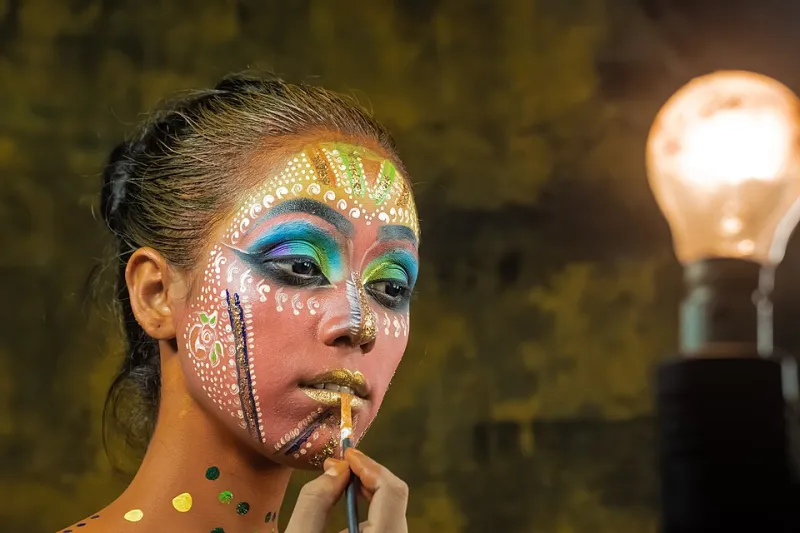
Photo: TAPAS KUMAR HALDER, CC BY-SA 4.0, via Wikimedia Commons
Remember when hobbies were just... things you did? You painted badly on a Saturday afternoon. You hiked a trail and looked at trees. You read a book without photographing it next to a latte and a linen napkin.
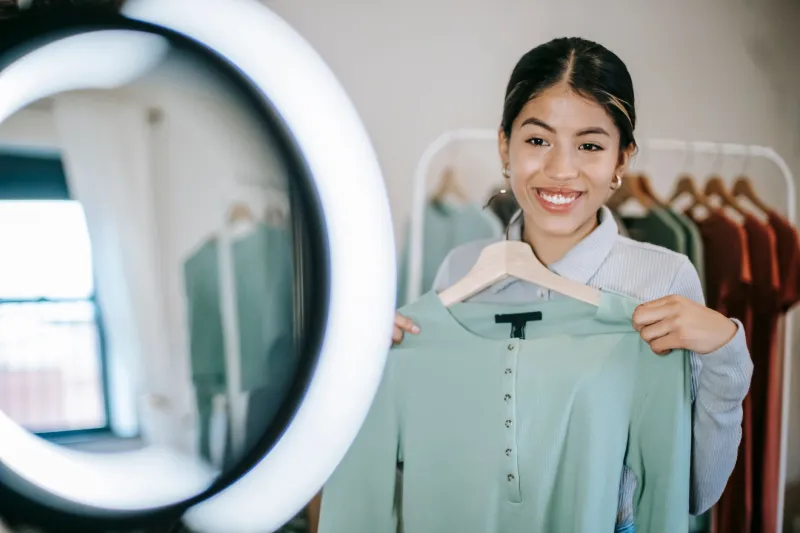
Now every pastime comes with an implied deliverable. The pottery class becomes a TikTok. The sourdough starter becomes a brand story. The 5K becomes a Strava post, a medal flat-lay, and a caption about showing up for yourself. Somewhere in the last decade, we quietly agreed that an activity doesn't fully count unless someone else can see it.
The result is a strange, modern exhaustion: hobbies that feel like unpaid internships for a personal brand nobody asked you to build.
When the Camera Shows Up, the Joy Leaves the Building
There's real science behind why posting kills the fun. Psychologists distinguish between intrinsic motivation — doing something because it's inherently satisfying — and extrinsic motivation, doing it for rewards, recognition, or an audience. Decades of research, going back to the classic studies on rewards and creativity, show that adding external evaluation to an activity reliably drains the enjoyment out of it.
An audience is a form of evaluation. Every time you post your hobby, you're inviting a thousand invisible judges into your living room. And the judges always vote: more polish, better lighting, a nicer finished product. So you start optimizing for the feed instead of the feeling. You pick the hike with the vista worth photographing, not the one with the good mud. You abandon the novel that's "not really your brand."
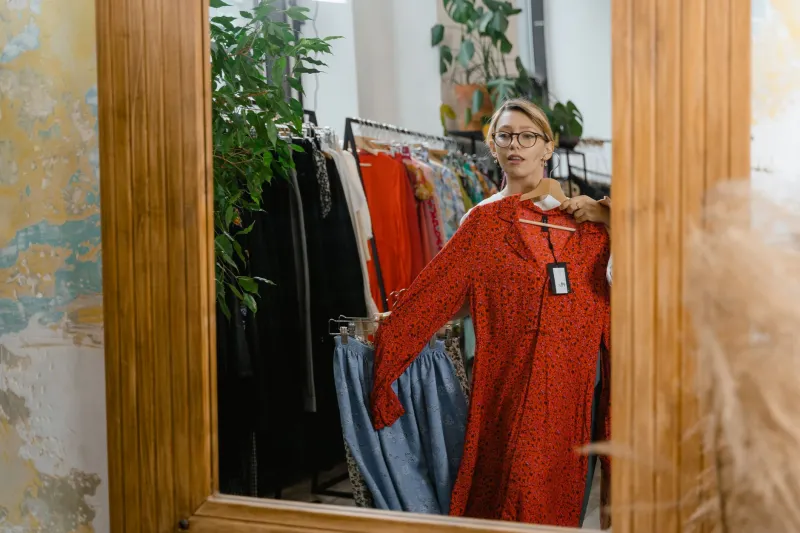
Fashion people have a term for clothes that exist only for photos — pieces that look great in a frame and fall apart in real life. We've done the same thing to our leisure time: hobbies that look great in a frame and fall apart in real life.
The Case for the Unposted Life
Here's a challenge that costs nothing: pick one hobby and swear a silent oath never to post about it. Not because sharing is shameful, but because you deserve at least one corner of your life where nobody's watching.
What happens when you do:
- You get worse faster — which means you get better faster. Beginners improve by being bad. If every attempt needs to be feed-worthy, you'll stop attempting.
- You rediscover boredom's quieter cousin: absorption. That flow-state feeling of losing track of time? It doesn't survive the mental narration of how would I caption this?
- You take back your weekend. A hobby you perform is a shift you work. A hobby you don't is actual rest.
How to Choose Yours
Look for an activity that meets three criteria: it produces nothing shareable, it has a low skill ceiling for early enjoyment (you can have fun on day one), and it would feel slightly embarrassing to explain to a stranger. Embarrassment is a surprisingly good filter — it means there's no status to perform, so there's nothing to perform for.
Whittling. Watercolors. Terrible acoustic guitar. A jigsaw puzzle that takes over your dining table for three weeks.
The internet has convinced us that everything we love should also be a small business, a content stream, a personal brand. It's a lie, and it's a tiring one. Some things are allowed to be just yours. Paint the little bowl. Look at the trees. Read the book in private, the way reading worked for a hundred years before the flat-lay.
Nobody has to know. That's the whole point.